
Radiolabeling Research at Alfa Cytology: Applications in Radiopharmaceutical Development
Nov 19, 2026
Alfa Cytology focuses on radionuclide labeling, compound analysis, and preclinical studies, covering multiple stages of radiopharmaceutical development.
New York, United States, November 19, 2026 /MarketersMEDIA/ -- Radiolabeling is an important technical link in the development of radiopharmaceuticals and can be used for compound tracking, diagnostic imaging, and related pharmacological studies. However, completing the labeling is only part of the research process. Researchers also need to investigate the properties, stability, and biological behavior of the labeled compounds according to the project objectives to provide a basis for subsequent experiments. Alfa Cytology provides radiolabeling and related research services, including compound preparation, analysis, and preclinical studies.
The preparation of radiolabeled compounds involves the selection of labeling sites, optimization of synthesis routes, purification, and analysis of products. Specific plans need to be determined in combination with the characteristics of the compounds and the research purpose, and further research could also involve stability, pharmacokinetics, and biodistribution. Therefore, the research process not only needs to consider how to prepare the labeled compounds, but also needs to determine the corresponding analysis and evaluation methods according to the intended use.
After the preparation of the compounds, analytical studies help to further understand their properties and performance during the experiment. Alfa Cytology provides pharmacokinetic and pharmacodynamic (PK/PD) studies, biodistribution and dosimetry studies, and stability and shelf-life studies of radiolabeled compounds. Analytical methods also include high-performance liquid chromatography (HPLC), liquid chromatography-tandem mass spectrometry (LC-MS/MS), and gamma counting. Depending on the research objectives of different projects, these methods can be used to investigate the relevant characteristics of compounds and provide an experimental basis for subsequent pharmacological research and preclinical evaluation.
Radiolabeling protocols also need to be selected according to the intended research application. Alfa Cytology's services include radiolabeling for PET, SPECT, and other studies, as well as the labeling of small molecules, biomolecules, and related conjugates. These techniques can be used in molecular imaging, drug research, and studies related to targeted radiotherapy. The appropriate approach depends on the properties of the compounds and the objectives of the project.
In addition to radiolabeling services, Alfa Cytology also provides research and development services related to radionuclide-drug conjugates (RDCs). RDC research and development involves components such as radionuclides, chelators, linkers, and targeting molecules, and needs to be designed and evaluated in combination with different coupling types and research phases. The services listed on the official website include RDC design, payload development, linker design and synthesis, chelator screening and synthesis, coupling, characterization, and preclinical research, covering different types of radionuclide coupling schemes such as antibodies, peptides, small molecules, and siRNA.
Radiolabeling and RDC-related studies can be applied to diagnostic imaging, targeted radiotherapy, and drug discovery. The evaluation focus of different projects depends on the candidate compounds and their research objectives, and may involve aspects such as compound stability, biodistribution, pharmacokinetics, or dosimetry. Combining compound preparation with subsequent analysis and preclinical studies helps researchers structure experiments around specific R&D questions, rather than just completing the labeling as an endpoint.
About Alfa Cytology
Alfa Cytology focuses on cancer research and related R&D services, covering drug discovery, radiopharmaceutical research, and preclinical research. The company provides technical services across different stages of research and development, including radiolabeling, radionuclide-drug conjugate (RDC) development, and compound analysis, for research areas such as diagnostic imaging, targeted radiotherapy, and drug development.
Contact Info:
Name: Toya Davis
Email: Send Email
Organization: Alfa Cytology
Website: https://www.rdcthera.com
Release ID: 89210124
Should you come across any errors, concerns, or inconsistencies within this press release's content, we urge you to reach out without delay by contacting [email protected] (it is important to note that this email is the authorized channel for such matters, sending multiple emails to multiple addresses does not necessarily help expedite your request). Our committed team will promptly address your feedback within 8 hours and take appropriate measures to resolve any identified issues or guide you through the removal process. Providing accurate and dependable information remains our utmost priority.
More News


Some leaders flew private to the APEC summit in Manila, but not Mexico’s president.
President Claudia Sheinbaum flew commercial, a journey that involved a 15-hour leg. It was a symbol of her government’s commitment to austerity.

Behind Trump Meeting, Xi and Putin Share a Vision of Usurping U.S. Power
President Trump joined the Chinese and Russian leaders for a summit in Shenzhen, even though the two autocrats are trying to reverse America’s victory in the Cold War.

A Village Burned, Its People Killed or Exiled. A Court Ruled It Was Genocide.
Zammona’s erasure was part of a wider campaign of violence against Rohingya Muslims. An international court found that Myanmar was culpable for the atrocities.

China Bars Bloomberg Reporter From Trilateral Talks for Asking a Question
The exclusion of the reporter after she shouted a question to President Trump is an example of how tightly China tries to stage-manage events.
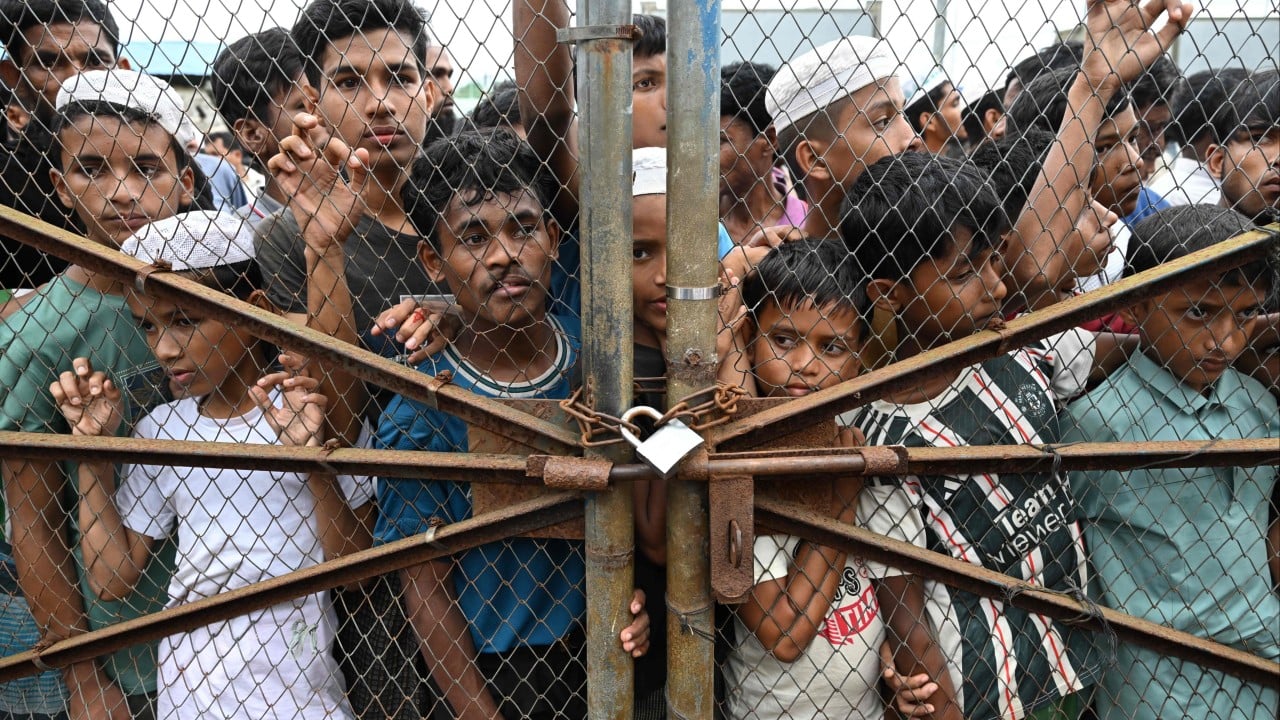
UN top court says Myanmar committed genocide against Rohingya
The United Nations’ top court has ruled that Myanmar “committed genocide” against the Rohingya population in a 2017 crackdown that left at least 10,000 of its members dead and then drove vast numbers into Bangladesh. In a landmark decision on Thursday, Yuji Iwasawa, president of the International Court of Justice (ICJ) at The Hague, gave the legal basis for the ruling pegged to the 1951 Convention on the Prevention and Punishment of the Crime of Genocide. “The Republic of the Union of Myanmar...

Russia’s Takeover of Japan Tobacco Units Deals $8.6 Billion Blow
The move against the Japanese government-backed cigarette maker highlights worsening tensions between the countries, even as their leaders try to keep diplomatic channels open.

After A.I. Cheating Scandal, South Korea Adopts New Restrictions for Grueling College Entrance Exam
South Korea sent three loud emergency alerts to every phone in the country as part of a campaign to keep students taking a grueling test honest.

Indonesia’s forest protection plan praised by Leonardo DiCaprio. Will it work?
Indonesia’s pledge to halt forest clearing for food production and repurpose degraded land instead has drawn praise from actor Leonardo DiCaprio, who called it “historic”, but green experts argue the plan is vague and may even weaken vulnerable ecosystems. Speaking at the COP31 climate summit in Turkey last week, Hashim Djojohadikusumo, President Prabowo Subianto’s brother and special envoy for climate and energy, reiterated Jakarta’s intention to refrain from expanding agricultural activities...
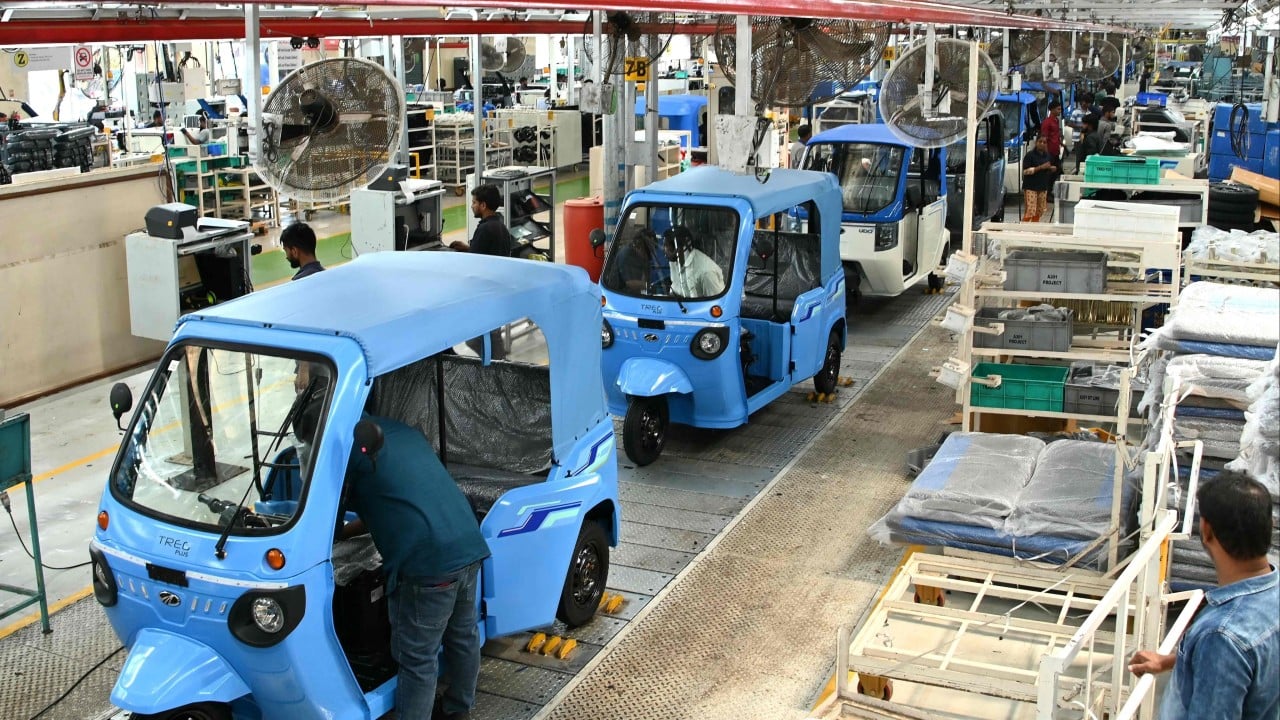
India ‘missed the bus’ on manufacturing in the 1980s. Can it now catch up with China?
Indian External Affairs Minister Subrahmanyam Jaishankar’s recent statement that his country “missed the bus” on building up its manufacturing and industrial base in the 1980s, when China was forging ahead, has reignited debate over how India can catch up with its neighbour. Analysts say India still has room to expand its manufacturing sector, but China’s continued industrial dominance and the threat artificial intelligence poses to India’s service-led economy mean New Delhi may need to follow a...

Villa Where Trump, Xi and Putin Met Once Hosted Kim Jong-il
The secluded Kylin Villa resort in the Chinese city of Shenzhen once hosted the North Korean dictator, Xi Jinping’s father and envoys of the Dalai Lama.

YOUR NEWS, OUR NETWORK.
Do you have Great News you want to tell the world?
Be it updates about your business or your community, you can make sure that it’s heard by submitting your story to our network reaching hundreds of news sites across 6 verticals.