
Optimizing Dielectric Performance: How a High Permittivity Ceramic Powder Manufacturer Boosts Capacitor disc Stability
Nov 23, 2026
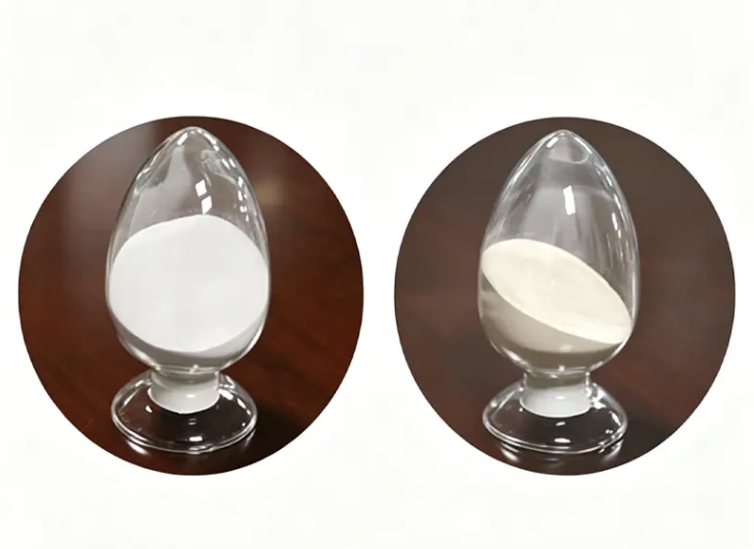
Zhangzhou, Fujian Nov 22, 2026 (Issuewire.com) - Modern electronic engineering continuously pushes boundaries toward miniaturization, higher energy density, and enhanced circuit efficiency across global markets. Within this technological evolution, ceramic capacitors remain indispensable components for power filtering, transient suppression, decoupling, and energy storage across consumer electronics, industrial automation, and renewable energy systems. However, achieving high volumetric efficiency often introduces a complex engineering paradox. As designers pursue higher capacitance in smaller footprints, maintaining long-term electrical stability becomes exceptionally challenging under fluctuating operational loads. Addressing this foundational industry challenge requires specialized expertise from an advanced High Permittivity Ceramic Powder Manufacturer capable of controlling material behavior at the microscopic level. Without rigorous compositional control and precise microstructural engineering, electronic systems risk unexpected capacitance drops, signal distortion, and premature field failures. Consequently, advanced material science and stringent quality control have emerged as primary differentiators for reliable passive component manufacturing.
The High-Permittivity Paradox and the Quest for Long-Term Stability
The pursuit of high permittivity materials drives modern capacitor development. High-K dielectric ceramics allow manufacturers to pack significantly more capacitance into compact disc geometries without expanding physical footprints. Nevertheless, this advantage introduces inherent physical vulnerabilities. High permittivity formulations often exhibit heightened sensitivity to external operating stresses, including electric field intensity, ambient temperature variations, and mechanical loads. Engineers frequently encounter a trade-off where maximizing initial capacitance sacrifices operational stability over time. Resolving this paradox demands a shift in focus from mere post-production sorting to fundamental material science. Quality control must begin at the powder synthesis stage, where crystal structures and dopant distributions are established. By refining powder characteristics, manufacturers neutralize degradation triggers before the ceramic body is even formed. This proactive approach establishes a robust foundation for high-performance circuit protection and energy management.
Dissecting the Root Causes of Capacitance Loss: DC Bias, Thermal Drift, and Aging
Electronic circuits operate in dynamic environments where multiple degradation factors converge. Understanding why components experience capacitance loss is essential for robust circuit design. As explored in technical analyses such as Why Your Ceramic Capacitors Are Quietly Losing Capacitance and How to Fix It, degradation typically stems from three primary mechanisms: DC bias voltage, thermal drift, and natural logarithmic aging. When a direct current voltage is applied to high-K ceramic bodies, domain wall mobility is restricted, causing effective permittivity to decline sharply. Temperature fluctuations further exacerbate this instability, particularly in Class II dielectric formulations like X7R or Z5U, where capacitance swings wildly outside narrow thermal bands. Furthermore, ferroelectric materials undergo spontaneous domain relaxation over time, leading to gradual logarithmic capacitance decay even under constant storage conditions. Recognizing these degradation pathways enables engineers to select superior material grades and design circuits with wider safety margins.
Material-Level Quality Control: Advanced Powder Formulation and Grain Boundary Engineering
Quality control in ceramic component production starts long before shaping or firing. It begins with precise chemical formulation and advanced powder synthesis. Superior dielectric performance relies heavily on achieving uniform particle size distribution, controlled specific surface area, bulk density, and optimal moisture content. Impurities or uneven compositional distribution create localized microstructural defects, which accelerate electrical breakdown and leakage current under stress. Advanced production methodologies utilize specific dopants to pin grain boundaries, restricting abnormal grain growth during high-temperature thermal processing. This grain boundary engineering effectively stabilizes the crystal lattice against external electric field fluctuations, mitigating DC bias sensitivity. By maintaining strict stoichiometric accuracy across every production batch, manufacturers ensure consistent dielectric constants and predictable thermal behavior, providing circuit designers with highly dependable raw material foundations.
Precision Sintering Control: Translating Superior Powder into Microstructural Integrity
Even the highest quality powder formulation fails if thermal processing parameters are inadequately controlled. Sintering transforms green ceramic compacts into dense, mechanically robust capacitor discs. This critical phase requires exact management of peak firing temperatures, soaking durations, and furnace atmospheric conditions. Minor temperature variances across the kiln can induce porosity, micro-cracks, or non-uniform density distributions, directly undermining electrical endurance. Sophisticated thermal profiling ensures that densification occurs uniformly throughout the ceramic body, optimizing mechanical strength and dielectric strength simultaneously. Advanced firing protocols also prevent secondary phase formation, which typically degrades insulation resistance and triggers premature dielectric failure. Through meticulous thermal control, production facilities translate superior chemical powders into flawless microstructures capable of enduring harsh industrial operational voltages without degradation.
From Raw Materials to Finished Components: The Ruisheng Product Ecosystem
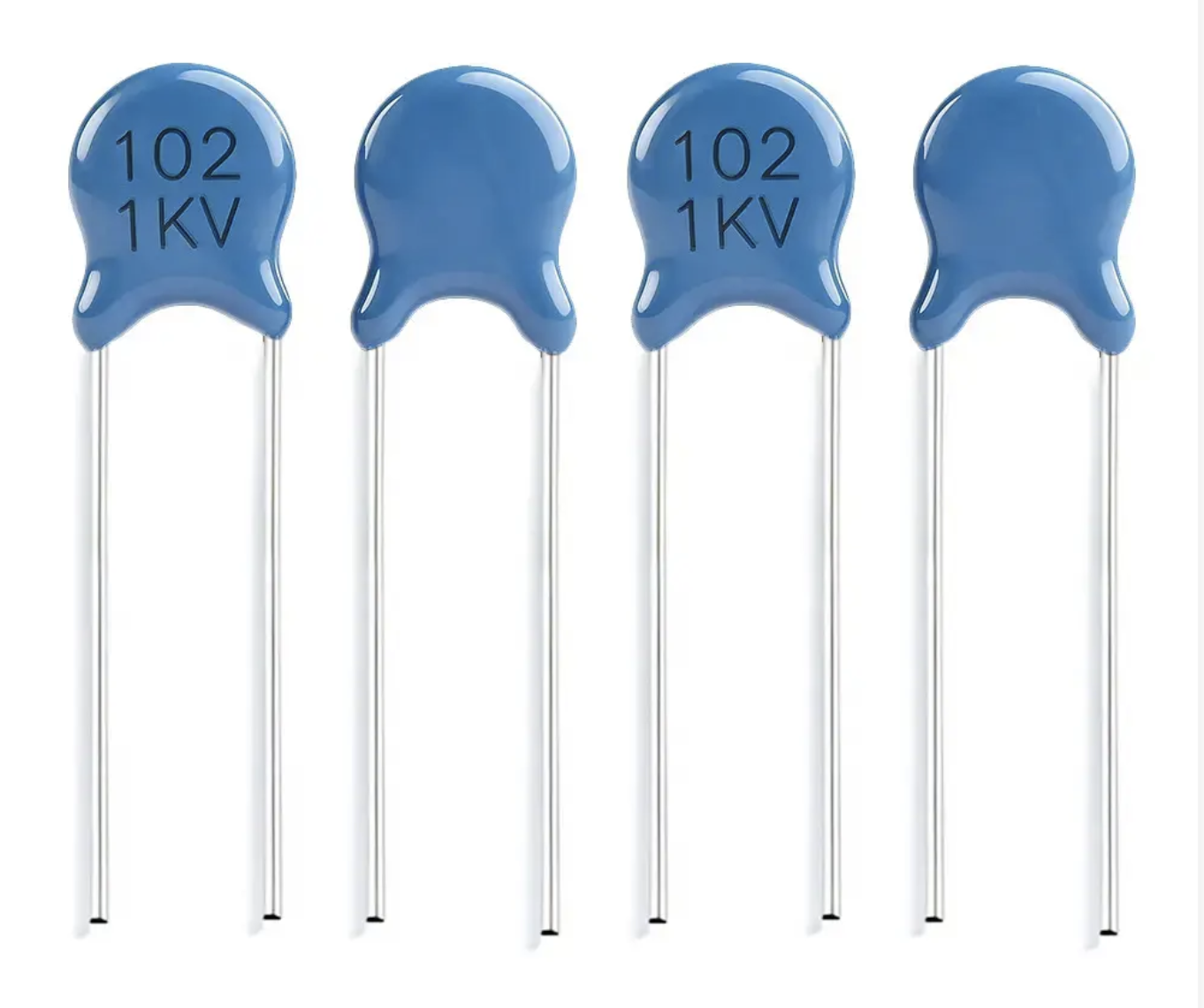
Vertical integration and comprehensive manufacturing capabilities separate ordinary suppliers from industry leaders. Ruisheng (Fujian Ruisheng Electronic Technology Co., Ltd) exemplifies this integrated approach by maintaining strict quality oversight across the entire production continuum, from raw chemical synthesis to finished electronic components. Operating under the short name Ruisheng, the enterprise delivers a diverse portfolio designed to meet rigorous international standards. The product ecosystem encompasses advanced electronic ceramic materials, specialized ceramic capacitor chips, and robust ceramic disc capacitors. Within this extensive lineup, standardized series such as CC1, CT1, CC81, and CT81 address specific high-voltage, high-frequency, and general-purpose circuit requirements. By controlling every intermediate manufacturing stage, Ruisheng ensures that each finished disc retains the structural integrity and electrical stability engineered into its foundational powder formulations, supporting demanding applications worldwide.
Partnering for Reliability: Quality Assurance and Custom Engineering Support
Achieving long-term circuit reliability requires more than standard off-the-shelf components; it demands rigorous quality assurance and collaborative technical support. Modern procurement engineers evaluate suppliers based on batch consistency, compliance verification, and responsive engineering assistance. Comprehensive testing protocols--ranging from voltage gradient checks and dissipation factor measurements to accelerated life testing--validate component performance under extreme operational conditions. Additionally, adherence to strict environmental standards such as RoHS and REACH ensures global market compliance. Collaborative engineering partnerships allow manufacturers to tailor dielectric properties and physical dimensions to unique application requirements. Whether optimizing power supplies, smart grid infrastructure, or industrial motor controls, selecting a technically proficient manufacturing partner minimizes development risks and accelerates time-to-market. Ultimately, continuous refinement in powder synthesis, thermal processing, and quality validation empowers the electronics industry to build safer, more durable, and highly efficient electronic systems for the future.
Website:https://www.ruishengdz.com/.
Media Contact
Fujian Ruisheng Electronic Technology Co., Ltd
Source :Fujian Ruisheng Electronic Technology Co., Ltd
This article was originally published by IssueWire. Read the original article here.
More News

Malaysia’s Anwar rejects claims he is ‘too pro-Chinese’
Malaysian Prime Minister Anwar Ibrahim has pushed back against claims that he is “too pro-Chinese” and said he was confident of winning back Malay voters after his party failed to win a single seat in the Melaka state election, the third state defeat for his coalition this year. “To me, Malays and Chinese are my people,” Anwar said in an interview with the South China Morning Post, conceding that while his government’s policies had benefited the country, the effects might not have been evenly...

India to test all bottled water brands after Bisleri sample found unsafe
India’s food safety regulator has found a sample of Bisleri International’s packaged drinking water unsafe in a major setback for the country’s biggest and best-known bottled water brand, and a government source said samples from all companies would now be tested. In light of the findings, the Food Safety and Standards Authority of India planned to test more Bisleri samples from across the nation, as well as those of other companies, a government source said on Monday. Bisleri competes with...

Behind China’s A.I. Anxieties, Fear of a Nuclear Checkmate
Chinese military researchers are studying how to harness A.I., but they worry the technology makes their country’s nuclear forces more vulnerable to attack.

In Vietnam, an Electric Vehicle Revolution Without Cars
An oil shock is speeding a transformation of Vietnam’s streets, challenging global motorcycle giants and lifting a new generation of domestic manufacturers.
How Homeowners Are Powering Vietnam’s E-Bike Surge
The war in Iran has brought on a rapid switch from motorbikes to electric two-wheelers in Vietnam, creating an informal charging economy led by entrepreneurial homeowners.
South Korea rights body raps centre after detainee denied final call to dying father
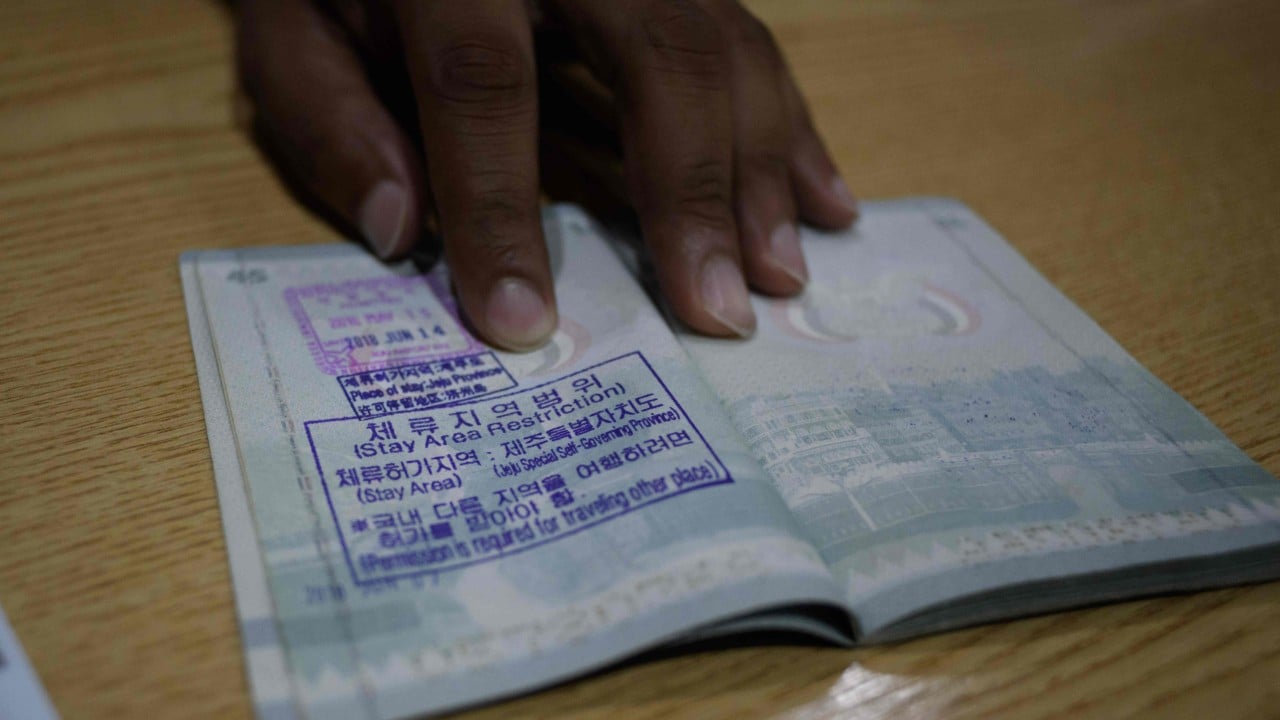
South Korea’s rights watchdog said on Monday it recommended that an immigration detention centre minimise restrictions on detainees’ freedom of communication, after it found that a facility violated a detainee’s right to pursue happiness by not allowing a video call with a dying father. The National Human Rights Commission of Korea, which made the recommendation last week, called on the centre to guarantee that detainees can use their personal mobile phones to the extent necessary in urgent and...

Otterly delightful: rare Malaysian wildlife returns to once-polluted Kuala Lumpur river
Beneath a tangle of highway in the Malaysian capital of Kuala Lumpur, a family of otters rolls around in a patch of riverside sand, delighting the few passers-by who notice them. Small groups of otters are now being seen regularly in parts of the city, including along the once heavily polluted Klang River. Theories vary on whether the smooth-coated otters, classed as vulnerable by the International Union for Conservation of Nature, have returned to the city or were hiding in plain sight all...
Indonesians, Bangladeshis, Indians top Malaysia’s list of travellers denied entry
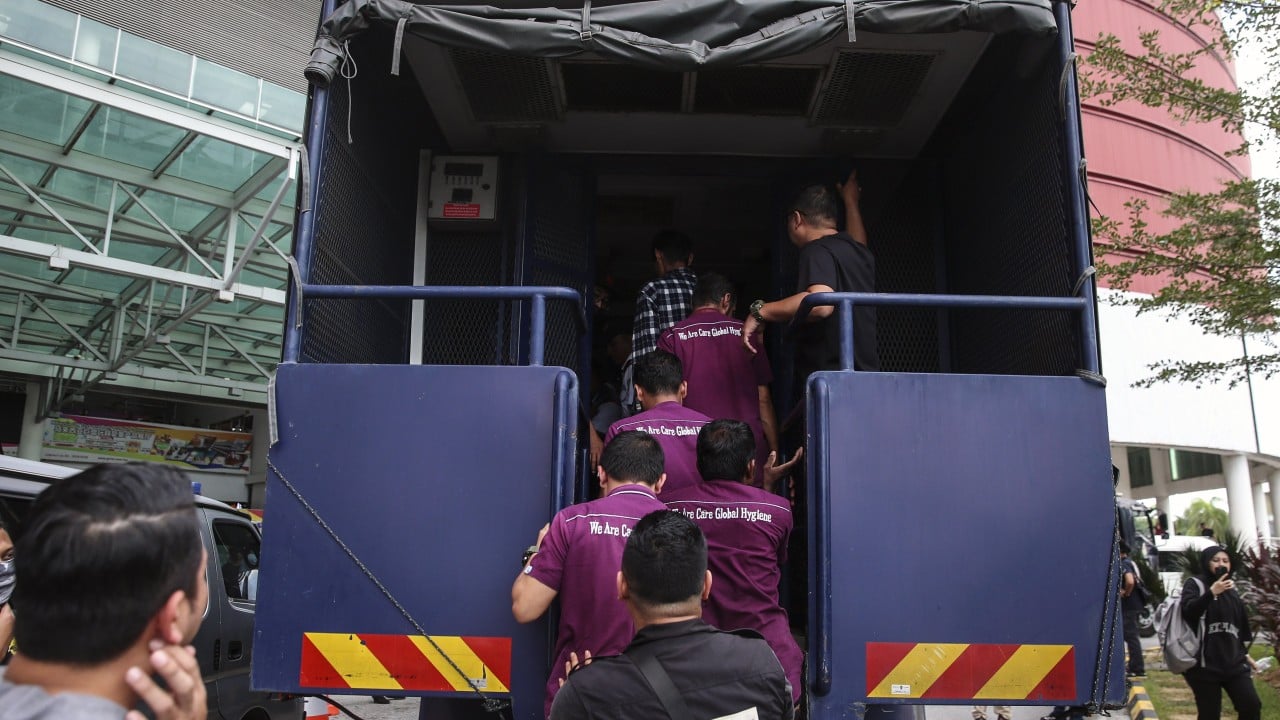
Indonesian, Bangladeshi and Indian nationals have received the most “not-to-land” (NTL) notices in Malaysia over the past three years, according to the country’s immigration chief. Indonesian nationals accounted for 34,650 notices, Bangladeshis for 27,504 and Indians for 22,350 between January 2024 and last month, he told local media. An NTL notice is issued when a traveller is refused entry at a border or airport in Malaysia and told to return to their last point of embarkation. In the first 10...

Japan looks to Bangladesh, Nepal for farm workers as Southeast Asian arrivals slow
Workers from South Asian countries such as Bangladesh and Nepal are making their mark on Japan’s agricultural sector, outpacing their Southeast Asian counterparts as Tokyo races to address a persistent labour shortage in its farms. Mirai, a Tokyo-based company dedicated to training and retaining skilled foreign workers, has introduced its first Bangladeshi candidates for farm work, signalling South Asia’s rise as a fresh labour source while the flow from Vietnam and the Philippines slows. After...

China’s memory chipmakers are catching up to industry leaders. What happens when they do?
This article was first published by The Korea Times in a partnership with the South China Morning Post. Riding a two-year artificial intelligence boom, China’s domestic memory chipmakers have grown faster and bolder than ever – but early signs of a market cool-down threaten to test their momentum. China’s two biggest champions in memory chip self-sufficiency, ChangXin Memory Technologies (CXMT) and Yangtze Memory Technologies (YMTC), have leveraged state backing, new factories and advancing...

North Korea seeks power for security, not supremacy, Kim says
Kim Jong-un said North Korea would strive to achieve “power and capability” to ensure its security and peace but would not pursue supremacy, state media reported on Monday. Kim made the remarks at a ceremony to receive credentials from newly appointed ambassadors – including Russia’s – in a rare departure from protocol, as the task has traditionally been performed by a senior official rather than Kim himself. The ceremony followed Kim’s snubbing of US President Donald Trump’s overtures last week...
India’s tech talent meets Singapore’s capital: match made in AI heaven?
India may struggle to catch up with the FUS and China in the race to develop cutting-edge artificial intelligence, but analysts say its growing partnership with Singapore could offer it another path to becoming a major AI player. By combining India’s vast software talent pool and domestic market with Singapore’s capital and hardware ecosystem, the two could develop a model for building and exporting AI technology to rival industry leaders. One sign of the deepening cooperation came in June, when...
YOUR NEWS, OUR NETWORK.
Do you have Great News you want to tell the world?
Be it updates about your business or your community, you can make sure that it’s heard by submitting your story to our network reaching hundreds of news sites across 6 verticals.