
Lisa Doverspike on Building Leadership Capacity
Oct 8, 2026

Lisa Doverspike on Building Leadership Capacity
Orange, California Oct 7, 2026 (Issuewire.com) - An organization's capacity extends beyond the number of people it employs. It also reflects how broadly responsibility, judgment, and decision-making can be carried throughout the enterprise.
Throughout more than 30 years in finance and organizational leadership, Lisa Doverspike has seen the value of developing people who can exercise judgment and take meaningful responsibility. As organizations become more complex, decisions multiply and responsibilities broaden. Some issues benefit from executive perspective. Others are best handled by capable people with the knowledge and authority to act.
Leadership capacity grows when responsibility can move through an organization without routinely moving decisions to the top.
Building that capacity requires more than delegating work. It means giving capable people meaningful responsibility, appropriate authority, and accountability for outcomes.
Give People Responsibility
A task comes with instructions. Responsibility requires judgment.
Assigning someone a project while retaining approval at each step transfers work. Giving that person a clear objective, appropriate decision authority, and accountability for the result creates an opportunity to exercise responsibility.
That distinction becomes more important as organizations grow. When decisions routinely move upward, execution can slow and senior leaders can become involved in issues that others are equipped to handle. Giving capable people room to decide creates additional capacity while developing the judgment required for broader responsibilities.
Clear expectations provide the framework. People need to understand the objective, the authority that comes with the responsibility, the resources available to them, and the circumstances that warrant additional input.
Executives can then contribute experience without taking ownership of the decision back. A few questions can help: What is the issue? Which options have you considered? What do you recommend? What resources do you need to move forward?
These questions encourage people to think through the issue and arrive with a recommendation. They also allow an executive to test the reasoning, add perspective, and identify considerations that may deserve additional attention.
Over time, the organization develops more people who can evaluate alternatives, make decisions, and take responsibility for outcomes.
Put Executive Attention Where It Adds Value
Executive attention is an organizational resource, and where it is applied matters.
Senior leaders need enough visibility to understand what is happening across the enterprise. Their perspective can be particularly valuable when decisions cross functional boundaries, involve significant resources, affect governance or culture, or influence longer term strategy.
A financial decision may have implications for capital allocation and future investment. A leadership decision may influence succession and organizational culture. An operating issue may reach customers, employees, technology, and financial performance. These decisions often benefit from the broader perspective senior executives can provide.
Other decisions may be better made by the people with the greatest knowledge of the issue.
The distinction requires judgment. Senior leaders add value when they recognize where their involvement can materially improve an outcome and where another leader has the knowledge, responsibility, and authority to decide.
Clear decision rights help. People who understand what they own, when collaboration is useful, and when an issue should be elevated can move with greater confidence and accountability. Senior executives, in turn, can devote more attention to setting priorities, allocating resources, developing people, anticipating what comes next, and connecting decisions across the enterprise.
Build an Organization With Depth
Leadership capacity becomes especially visible when circumstances change.
A business may enter a new market, integrate an acquisition, implement a major system, lose a key executive, or encounter an unexpected challenge. Organizations with depth have people who can step forward, assess what needs to happen, and assume responsibility.
That depth develops through experience. Leaders give capable people opportunities to make consequential decisions, provide context and resources, ask questions that sharpen their thinking, and hold them accountable for results. As people demonstrate sound judgment, their responsibilities can expand.
The benefits extend to succession. Developing people who are prepared for broader responsibilities gives an organization more options as roles evolve and leadership needs change.
The effect can compound. One capable executive can contribute to many good decisions. An organization with leadership depth can bring sound judgment to decisions across functions, locations, and levels of responsibility.
For Doverspike, building leadership capacity is ultimately about creating a stronger organization. Senior executives contribute perspective where it adds value while giving capable people meaningful opportunities to lead.
The test often comes when responsibility expands, circumstances change, or a key leader is unavailable. Organizations with leadership depth are better positioned to continue making decisions, executing priorities, and moving forward because capable leadership exists throughout the enterprise.
To learn about Lisa Doverspike visit: https://www.linkedin.com/in/lisa-doverspike-74723628/?isSelfProfile=false
Source :Lisa Doverspike
This article was originally published by IssueWire. Read the original article here.
More News
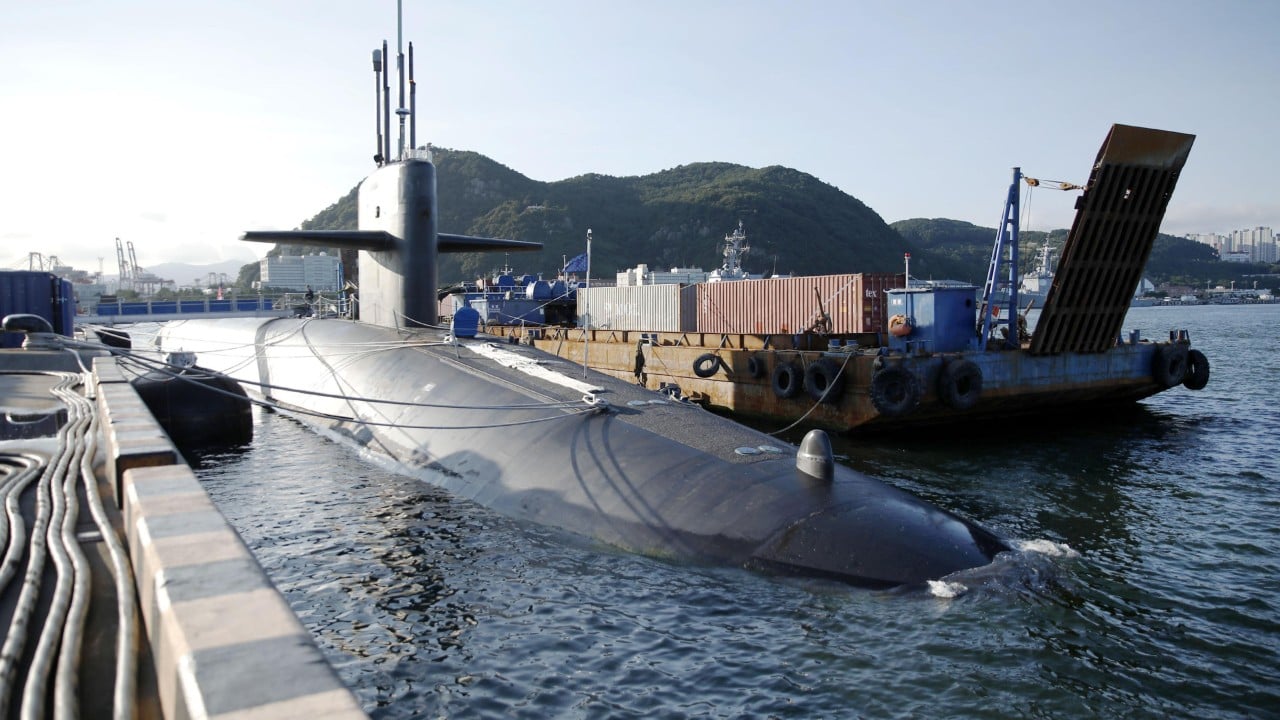
Japan explores ‘ownership’ of nuclear submarines as regional rivalries worsen
Japan is expected to float the idea of acquiring a fleet of nuclear-powered submarines in revised security documents to be released later this year, with analysts suggesting that Tokyo’s initial aim is to promote discussion of the issue and overcome the public’s concerns. Analysts acknowledge there will inevitably be pushback from some sectors of Japan – the only nation to have suffered a nuclear attack – but say there is a growing recognition that regional rivalries are worsening and Japan...

China’s ‘Self-Reliance’ Drive Is Upending Trade With Europe
China’s push to manufacture more at home has widened its trade imbalance with Europe, intensifying pressure on European industries and policymakers to take action.

China’s High-Tech Ambitions Have a Blue-Collar Status Problem
Most Chinese still view vocational schools and skilled labor as low status and undesirable.

In ‘Allegra’, the Choreography Dives Deep Into Japan’s Ancient Court Dance
And the spirit of the ballerina Allegra Kent doesn’t hurt. The choreographer Benjamin Akio Kimitch dives into the art of Bugaku to create his fantasy of a Japanese American court dance.

Singapore’s air pollution worst in world as haze shuts Malaysia schools
Singapore’s air pollution worsened to the highest in the world as haze from Indonesia wildfires blankets the region days before the city state’s annual Formula One weekend. Air quality levels in Singapore were in the “very unhealthy” range as of Wednesday afternoon, according to data from IQAir. Nearby Kuala Lumpur, which was earlier in the top spot, ranked as the second-most polluted city globally. In the Malaysian state of Johor, about 140km (87 miles) northwest of Singapore, some 200 schools,...

The Quiet, Careful Growth of Philippine-Taiwan Ties
Manila is exploiting the space between its One China policy and functional cooperation with Taipei.

Russia’s Wildberries Finding Fertile Ground in Central Asia
The Russian e-commerce retailer has announced yet another new logistics facility, this time in Uzbekistan.

The Strategic Implications of China’s Military Facility in Laos
Ban Keun poses only a limited direct threat to the South China Sea or Taiwan, but it will enhance China’s ability to place pressure on U.S. naval forces.


Can ‘neutral’ Malaysia stay above the fray in the US-China tech rivalry?
Despite Malaysia’s insistence that its long-standing non-alignment policy extends to cyberspace, analysts say the country’s reliance on American and Chinese technology could make such a stance difficult to sustain amid the rivalry between the two superpowers. Defence Minister Mohamed Khaled Nordin said on Monday that Malaysia would “always remain neutral” in cyberspace, arguing that cyber threats could come from non-state actors and should not be viewed solely through the lens of geopolitical...

Case of U.S. Marine Accused of Murder in Japan Draws Outcry
Prime Minister Sanae Takaichi, a close Trump ally, is under pressure to strengthen oversight of the U.S. military in Japan.

Sri Lanka’s ex-first lady arrested in charity corruption probe
Sri Lanka’s anti-corruption authority arrested former first lady Shiranthi Rajapaksa on Wednesday over allegations that her charity misused donations collected for a children’s hospital. President Anura Kumara Dissanayake’s government has revived long-dormant corruption investigations involving members of the once-powerful Rajapaksa family, which dominated Sri Lankan politics for nearly two decades. The 73-year-old wife of former president Mahinda Rajapaksa was arrested in Colombo and driven to...
YOUR NEWS, OUR NETWORK.
Do you have Great News you want to tell the world?
Be it updates about your business or your community, you can make sure that it’s heard by submitting your story to our network reaching hundreds of news sites across 6 verticals.