
How Can a Global Leading Cystoscope Manufacturer Support International Medical Device Buyers
Nov 4, 2026
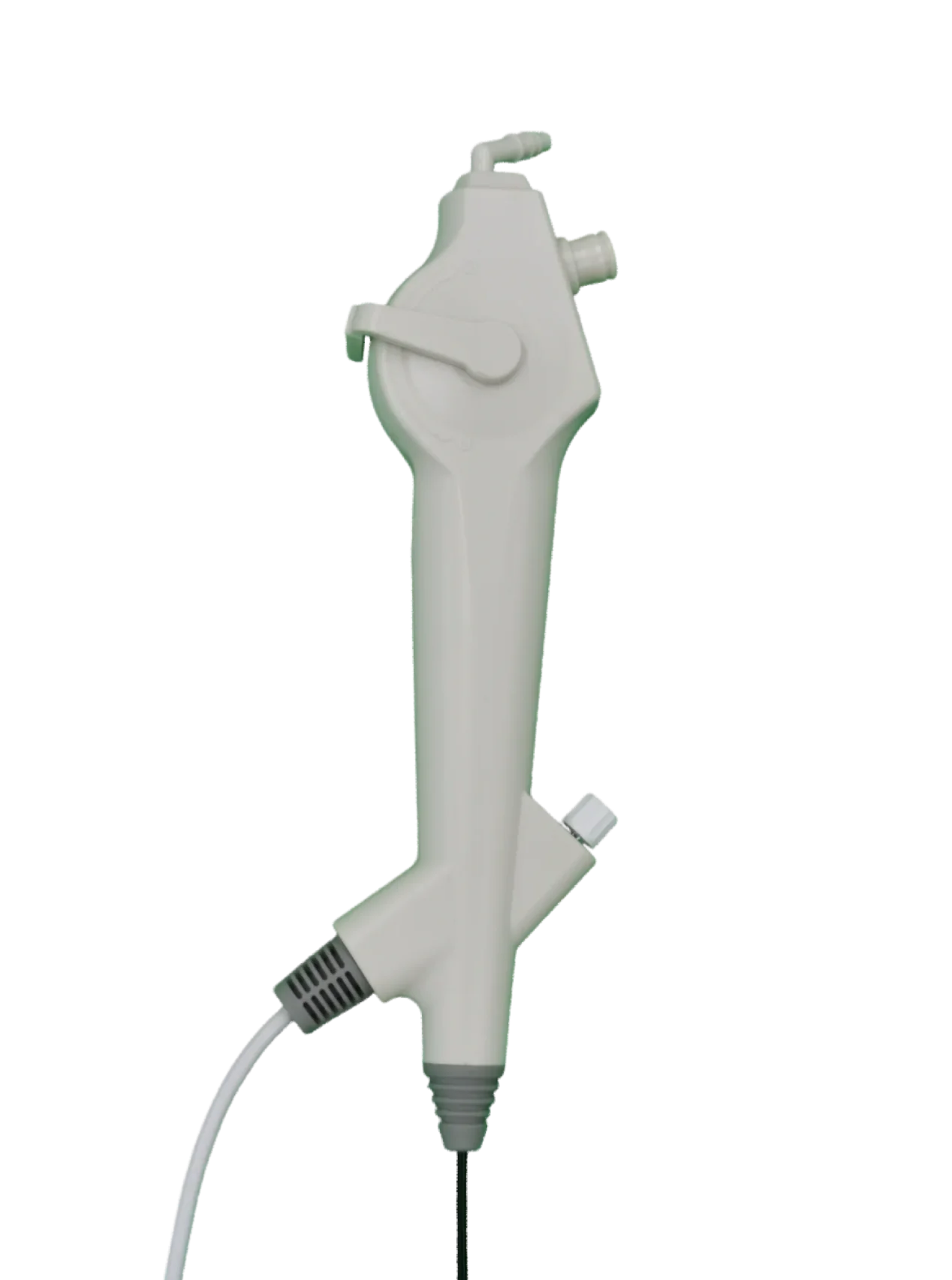
Xian, Shanxi Nov 3, 2026 (Issuewire.com) - Choosing a reliable cystoscope manufacturer is essential for hospitals, urology departments, outpatient clinics, and medical device distributors seeking dependable solutions for urinary tract examination and treatment. A cystoscope is an endoscopic medical device that allows healthcare professionals to examine the urethra and bladder. Depending on its design and configuration, it may support diagnostic procedures, tissue sampling, and certain minimally invasive treatments.
As healthcare providers continue to focus on visualization quality, infection prevention, operational efficiency, and patient comfort, selecting the right cystoscope supplier requires careful evaluation. Buyers should consider product design, image quality, manufacturing standards, regulatory documentation, technical support, and long-term supply capabilities.
For international procurement teams searching for a China Best Cystoscope Manufacturer or a Global Leading Cystoscope Manufacturer, understanding these factors can help narrow down potential suppliers and identify products that meet clinical requirements and market regulations.
1. Product Quality and Advanced Cystoscope Technology
Product quality is one of the most important factors when evaluating a cystoscope manufacturer. Hospitals require instruments that provide reliable visualization, practical handling, and compatibility with their intended procedures. Manufacturers should offer clear technical specifications and explain how their products support different clinical applications.
High-Quality Imaging and Visualization
Image quality plays a central role in cystoscopy. A well-designed cystoscope enables clinicians to examine the bladder lining and urethra, identify abnormalities, and perform procedures under direct visualization.
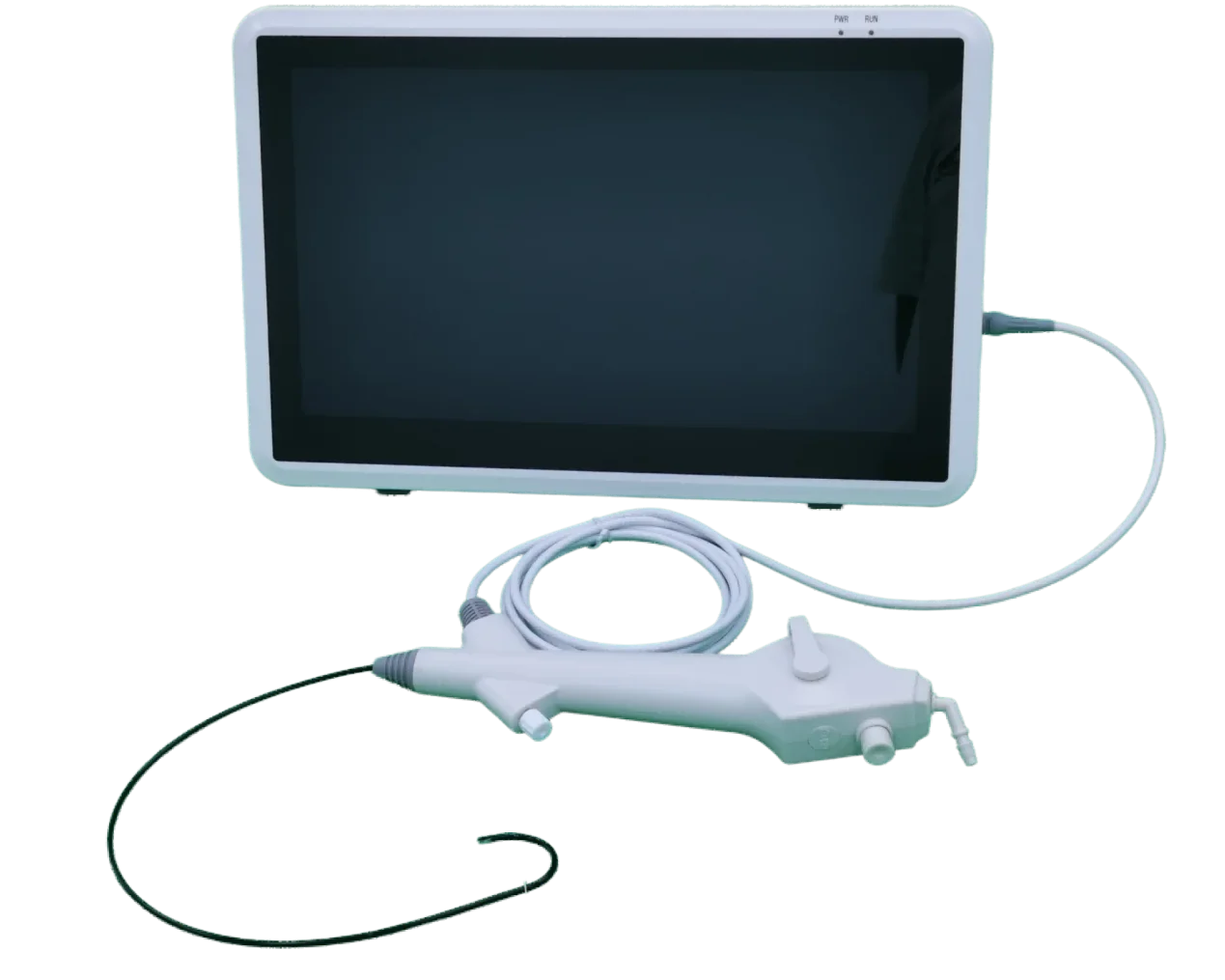
Modern video cystoscopes may incorporate digital imaging sensors, integrated illumination, and external display systems. These features can help clinicians obtain real-time images of the urinary tract. When comparing products, buyers should review resolution, field of view, image clarity, illumination performance, and available image or video recording functions.
Rigid cystoscopes commonly use optical lens systems, while flexible video cystoscopes may incorporate a digital imaging sensor near the distal tip. Each configuration has different operational characteristics, and the appropriate choice depends on the intended procedure, clinician preferences, and hospital workflow.
Manufacturers should provide accurate specifications, product demonstrations where available, and relevant technical documentation. Rather than relying on general claims about superior image quality, procurement teams should compare verifiable performance information and evaluate the device for its intended clinical use.
Flexible and Rigid Cystoscope Options
A professional manufacturer should explain the differences between flexible and rigid cystoscopes and help buyers identify suitable configurations.
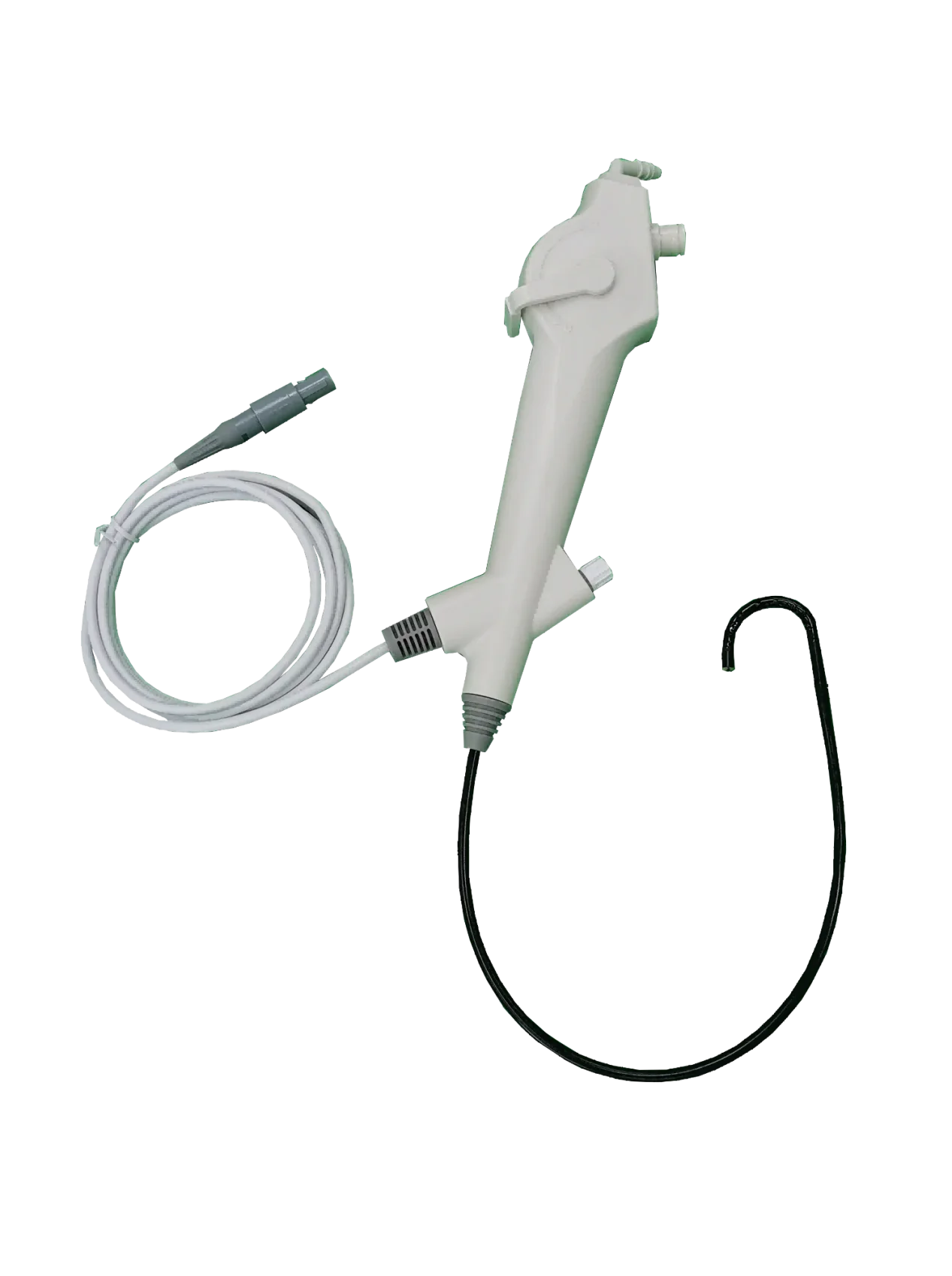
Flexible cystoscopes can navigate the urinary tract with a bendable insertion section and may be appropriate for various diagnostic procedures in outpatient or hospital settings. Their flexibility can support access to anatomical structures while potentially improving procedural convenience for selected patients.
Rigid cystoscopes provide a stable instrument platform and may be used for diagnostic examinations or operative procedures when the relevant configuration and accessories are appropriate. Their specifications may include telescope diameter, working length, viewing angle, and compatibility with irrigation systems or working instruments.
When comparing these options, hospitals should consider the intended clinical applications, instrument dimensions, maneuverability, sterilization requirements, and accessory compatibility. The supplier should also explain product limitations and the procedures for which each model is designed.
Infection Prevention and Ease of Reprocessing
Infection prevention is another important consideration when selecting a China Leading Cystoscope Manufacturer. Hospitals need clear instructions for cleaning, disinfection, sterilization where applicable, inspection, storage, and maintenance.
Reusable cystoscopes require validated reprocessing procedures consistent with the manufacturer's instructions and applicable local requirements. Components, seals, optical surfaces, and working channels, where present, must be handled according to the specified procedures.
Single-use cystoscopes provide an alternative for facilities seeking to reduce the need for reusable-device reprocessing. However, hospitals should evaluate device performance, packaging integrity, disposal requirements, supply availability, and total cost before selecting a single-use option.
A reliable manufacturer should provide detailed instructions for use and clearly identify whether a product is reusable or intended for single-patient use. These details help healthcare professionals integrate the device into established infection-control protocols.
2. Manufacturing Standards, Regulatory Compliance, and Supply Reliability
A reliable cystoscope supplier must demonstrate more than product functionality. Hospitals and distributors also need confidence in manufacturing consistency, regulatory documentation, product traceability, and the supplier's ability to provide stable support.
Quality Management and Regulatory Documentation
When evaluating a China Top Cystoscope Manufacturer, buyers should review the manufacturer's quality management system and request applicable product documentation.
ISO 13485 is an internationally recognized quality management system standard for medical devices. Depending on the destination market and device classification, additional requirements may include European Union Medical Device Regulation (MDR) documentation, applicable CE marking, US Food and Drug Administration requirements, and relevant local registrations or authorizations.
Procurement teams should verify that documents apply to the specific manufacturer and product being purchased. They should also confirm the validity and scope of certificates, the intended market, and any applicable restrictions.
A supplier that communicates clearly about regulatory status can help hospitals and distributors reduce procurement uncertainty. However, a general quality management certificate should not be treated as proof that every product is approved for sale in every country.
Consistent Production and Product Traceability
Manufacturing consistency helps ensure that products meet their stated specifications. Buyers should ask about inspection procedures, production quality controls, product identification, traceability, packaging, and complaint-handling processes.
For medical devices, traceability is particularly important when investigating a potential defect or managing a product-related safety issue. Hospitals and distributors should understand how the supplier identifies products or batches and how relevant quality concerns are documented and addressed.
Manufacturers should also provide clear product labeling, storage requirements, maintenance information, and instructions for handling and transportation. These details contribute to more reliable product management throughout the supply chain.
When purchasing cystoscopes for international distribution, buyers should clarify whether product documentation and labeling can meet the requirements of the destination market. Any customization should remain consistent with applicable regulatory obligations.
Supply Capacity and Long-Term Cooperation
Stable supply is essential for healthcare facilities that depend on medical equipment for scheduled procedures and ongoing patient care. A manufacturer should communicate realistic lead times, minimum order quantities, production arrangements, shipping conditions, warranty terms, and procedures for addressing defective products.
Distributors may also need information about replacement parts, compatible accessories, technical documentation, and product training. Establishing these expectations before ordering can help prevent misunderstandings during long-term cooperation.
A manufacturer should be assessed according to verifiable production capabilities, product suitability, quality controls, and service commitments rather than promotional rankings alone. This approach helps buyers determine whether a supplier can support their operational and commercial needs.
3. Technical Support, International Experience, and Supplier Evaluation
Product delivery is only one part of a successful medical device purchasing relationship. Hospitals and distributors also need responsive communication, useful technical resources, and clear procedures for handling questions or product issues.
Technical Training and After-Sales Service
A professional cystoscope manufacturer should provide appropriate product manuals, operating instructions, maintenance guidance, and reprocessing documentation for reusable models.
Technical support may include assistance with device setup, compatible accessories, routine inspection, troubleshooting, and warranty inquiries. For products intended for international markets, clear communication and accessible documentation can make cooperation more efficient.
Hospitals should confirm what support is included in the purchase agreement, how technical issues are reported, and whether training resources are available to relevant users. These arrangements help healthcare professionals understand the device's intended use and operating requirements.
Buyers should also evaluate the manufacturer's approach to product complaints, corrective actions, and safety-related communications. Reliable procedures for addressing issues are important considerations when establishing a long-term supplier relationship.
Comparing Manufacturers in the Global Market
International buyers searching for a Global Leading Cystoscope Manufacturer should compare suppliers using consistent evaluation criteria. These may include product configurations, imaging technology, optical performance, applicable certifications, clinical suitability, service availability, and total cost of ownership.
Established companies such as Olympus, KARL STORZ, and Richard Wolf operate in the endoscopy market and can serve as reference points when researching available technologies and product specifications. Their presence in the market does not mean that one supplier is necessarily the best choice for every hospital or purchasing requirement.
Buyers should examine manufacturer websites, product catalogs, technical documentation, and relevant regulatory information. Where possible, they should request demonstrations or samples when appropriate, consult qualified clinical users, and verify claims directly with the supplier.
For distributors, additional considerations may include export experience, private-label arrangements where permitted, packaging requirements, order flexibility, and the ability to provide consistent documentation across different markets.
Making an Informed Purchasing Decision
Before selecting a cystoscope supplier, hospitals and distributors should prepare a checklist covering the intended application, rigid or flexible design, imaging requirements, device dimensions, accessory compatibility, reprocessing procedures, regulatory status, delivery schedule, and after-sales support.
The lowest purchase price does not always represent the lowest overall cost. Reusable-device purchases may involve reprocessing, maintenance, repair, and replacement expenses, while single-use devices may involve recurring consumable costs. Comparing these factors helps procurement teams assess long-term value.
Ultimately, a reliable China Best Cystoscope Manufacturer should be able to explain its product specifications, provide relevant documentation, communicate transparently, and support customers throughout the purchasing process. Buyers should verify these capabilities rather than relying solely on claims such as China Leading Cystoscope Manufacturer, China Top Cystoscope Manufacturer, or global leadership.
By prioritizing product quality, regulatory compliance, clinical suitability, and dependable service, healthcare organizations can make better-informed purchasing decisions and select cystoscope solutions that align with their operational needs and patient-care objectives.
Source :Xian Haiye Medical Equipment Co., Ltd.
This article was originally published by IssueWire. Read the original article here.
More News

Malaysian police arrest woman over viral shopping mall brawl
Malaysian police have arrested a 25-year-old woman who allegedly caused a disturbance by assaulting visitors at a shopping centre in Kuala Lumpur, with the suspect admitting her involvement in the incident. Dang Wangi OCPD Assistant Commissioner Ahmad Azwan Amin Nordin said the local woman was arrested at about 5.40pm on Tuesday in Bandar Sri Damansara to assist in investigations. “Initial investigations found that the suspect admitted to being involved in the incident,” he said in a statement...

How One Country Became the Unlikely Crossroads of the Global A.I. Boom
In Malaysia, U.S. and Chinese tech giants are pouring billions into vast data centers, straining local resources and testing the limits of Washington’s restrictions on advanced chips.

Baidu’s new AI simulator gives robotaxis a crash course in rare road hazards
For autonomous vehicles, the hardest lessons to learn are the ones that can test the skills of even the most experienced human drivers: an errant cyclist darting through a red light, or an animal bolting into oncoming traffic from behind a corner. The Chinese tech giant Baidu has developed a new AI-driven simulator to prepare its Apollo robotaxis for just such rare but high-stakes road hazards, as the firm looks to gain an edge in the fast-growing self-driving taxi market. The system, Apollo...
Vietnam surpasses Indonesia on per-person GDP. Is Thailand next?
Vietnam’s average economic output per person is set to overtake Indonesia’s, according to the International Monetary Fund. Gross domestic product per capita, which provides a snapshot of a country’s standard of living, is projected to rise 8.9 per cent to US$5,259 in Vietnam this year – nearly double the figure a decade earlier and overtaking Indonesia’s US$5,153. This would also rank Vietnam fifth among members of the Association of Southeast Asian Nations, behind Singapore, Brunei, Malaysia...

China’s new nightmare: a Japanese containment arc in the Indo-Pacific
Just weeks after US President Donald Trump and Chinese President Xi Jinping invoked their countries’ World War II alliance at the White House, Keen Sword 27 turned symbolism into hardware. The 11-day exercise, which wrapped up on October 29, deployed US Marine NMESIS anti-ship launchers and MADIS air-defence systems to Yonaguni – Japan’s westernmost island, just 110km (70 miles) from Taiwan. Japan mobilised its new Type 25 missile, with a reported 1,000km range, from Kumamoto for the system’s...

Afghan Woman Is Among Dozens to Be Deported to Afghanistan
The Trump administration has arranged a flight to send dozens of Afghan immigrants back to Afghanistan, despite the risk of persecution by the Taliban.

Australian Court Hears Challenge to Social Media Ban
Reddit and an Australian digital advocacy group are claiming a law that restricts children younger than 16 from popular platforms infringes on their constitutional rights.

The Danger of Being a Female Livestreamer in China
When a fan thinks he owns you, online entitlement can morph into real-world violence.

The China-Pakistan Information Corridor Is Made to Silence Journalists
CPIC arrives in a country where the words "fake news" can already put a reporter in prison.

How China Is Building Influence in Central Asia, One Laboratory at a Time
Scientific and educational cooperation may be less visible than a railway, but it may also have longer lasting and broader results.

Indonesian police arrest 3 for tapping Prabowo’s phone
Indonesian authorities have arrested three people for allegedly tapping President Prabowo Subianto’s phone, according to police on Tuesday, with media reports suggesting one of the suspects may be a senior official. Prabowo, who took office in 2024, has come under increasing pressure for his government’s handling of the economy and destructive wildfires in the Southeast Asian archipelago. Top detective Asep Safrudin identified the suspects only by their initials, LSP, ASN, and EH, and said they...

Amid Stock Troubles, Is South Korea’s $880 Billion AI Infrastructure Buildout Under Threat?
South Korea has emerged as one of the world leaders in the AI buildout. But now, as investor sell-offs continue to force the KOSPI lower, are its AI ambitions under threat?
YOUR NEWS, OUR NETWORK.
Do you have Great News you want to tell the world?
Be it updates about your business or your community, you can make sure that it’s heard by submitting your story to our network reaching hundreds of news sites across 6 verticals.