
Clinical Study Suggests Transcranial Magnetic Stimulation Effective For Insomnia
Nov 27, 2019
TransCranial Magnetic Stimulation, or TMS for short, is a relatively new, FDA-approved medical technology developed for lessening the severity of certain mental illnesses, such as treatment-resistant depression. However, studies suggest it may also prove successful in treating another psychiatric disorder: insomnia.

San Diego, United States - November 26, 2019 /MarketersMedia/ —
TMS consists of repetitive high-frequency magnetic pulses being administered by a trained facilitator via small probes placed on the scalp. This sounds much more complicated and daunting than it is. Unlike a well-known treatment it's often compared to (but quite different from), Electroconvulsive therapy, TMS delivers results with minimal side effects at impressively-high safety rates. It frequently takes multiple sessions to witness the full impact of TMS; however, these highly-acclaimed effects are growing more abundant every year.
Insomnia is a common sleep disorder characterized by its sufferers by difficulties falling or remaining asleep, or non-restful quality of sleep. With frequent relapses and failures in treatment, chronic insomnia can be damaging to the overall quality of life of its sufferers. Therefore, the emerging means of treating this disorder are growing incredibly necessary.
A Background Of TMS
In 2008, TransCranial Magnetic Stimulation was approved by the FDA for the marketable treatment of major depressive disorder. Eventually, after more research, TMS was also approved for treating pain that is associated with particular types of migraines.
TMS is technically only approved by the Federal Drug Administration for the treatment of depression. However, evidence suggests that it may also help a myriad of other mental illnesses and chronic issues, including insomnia.
Hope For Insomnia
After suffering for years with a disorder such as insomnia - and often exhausting many means of treatment, like prescription drugs, many people don't know where to turn for sleep improvement. However, TMS seems to be a promising candidate for improving this illness.
One study done by a Chinese university found that TranScranial Magnetic Stimulation had extremely intriguing results when compared against a controlled group that did not receive TMS. The Department of Sleep And Psychology at the Third Military Medical University in China measured the results of TMS on one hundred and twenty insomnia-ridden patients, ultimately finding that repetitive TMS treatments are "more advantageous than both medication and psychotherapy treatments in improving the sleep architecture."
That's a pretty bold statement with both the scientific research to back it up and the support of various treatment centers across the country. Not only did TMS help insomnia in this study, but it also significantly reduced the rate of relapse of weak sleep cycles in its controlled groups. TMS relapse rates were the very lowest in this controlled group than in the group of participants that did not receive TMS.
Depression And Other Mental Illnesses
After failed attempts at antidepressant medications, one with treatment-resistant depression is often prone to benefiting greatly from TMS. Trained administers carry out the treatment quickly and with ease, and it involves minimal side effects - possibly less than antidepressants, and admittedly less than Electromagnetic Therapy. Newer studies on TMS' efficacy of remedying depression continue proving that TMS is highly effective in treating major depressive disorder. It appears that TransCranial Magnetic Stimulation is gaining velocity in the world of academic research.
In a culture ridden with a crisis of overprescribed pharmaceuticals and increasing numbers of addicted citizens, the United States finds great hope in a therapeutic, alternative type of medical technology such as TMS. With minimal side effects, TMS seems like a no-brainer for those who are struggling with chronic mental illnesses, mood disorders, and neuropathic disorders.
Certain mental health services, such as one in San Diego, Brain Center TMS, have begun to utilize this technology for the benefit of depression and other people living with mental illness nation-wide.
Brain Center TMS mentions on their website that they are "a recognized leader in providing Transcranial Magnetic Stimulation to resolve mental and neuropathic disorders, without medication, using the most technologically advanced system available today. TMS is a proven, breakthrough therapy that heals specific areas of the brain that are impaired by brain cell dysfunction, which results in significant improvement in mood, function, energy, focus, and general well-being."
TransCranial Magnetic Stimulation is not as well-known as other forms of treating psychiatric and neuropathic illnesses. Still, it has the potential to improve patients' quality of life when other means of treatment fail. Gaining more traction in the world of psychiatric therapy, TMS may be the next competitor for the number-one method of improving peoples' lives.
Brain Center TMS
Derik Brian
949-370-0771
Contact Info:
Name: Derik Brian
Email: Send Email
Organization: Brain Center TMS
Phone: 949-370-0771
Website: https://braincentertms.com/
Source: MarketersMedia
Release ID: 88936084
More News

After Lockdown, Sea of Protesters Flows Through India’s Capital
The raucous demonstrations by opposition groups on Monday followed days of an effective lockdown and mass detentions of young protesters by security forces.

Europeans Have a Love-Hate Relationship With Chinese Cars
Consumers across the continent increasingly want to buy low-cost Chinese vehicles. Policymakers are seeking to slow them down.

The Taliban Are Using Europe’s Fear of Migrants to Their Advantage
European nations that condemn the Taliban government for its human rights record are seeking its help to deport refugees back to Afghanistan.

What the US and China Should Discuss at APEC
Both sides are feeding an AI investment bubble – and Shenzhen is the place to talk about it.

The Mystery of Kyrgyzstan’s Newly Launched Satellite(s)
At first glance, the story of Kyrgyzstan’s satellite launch seemed like a genuine achievement. Then the story changed.

Australia’s Billionaire Problem and the ‘Corruption of the Democratic Process’
Australia’s incoming political finance laws will cap donations and electioneering spending for the first time, but the limits are generous, the rules complex, and the two-year delay suspiciously convenient for the major parties.

South Korea Recalls Ambassador, Demands Public Apology From Ukraine
A diplomatic rift is growing after a North Korean prisoner transfer that Kyiv revealed against Seoul’s wishes.

India’s opposition marches on Supreme Court as ‘cockroach’ protests gain ground
Indian opposition leaders and student activists marched on the Supreme Court on Monday to demand the resignation of the country’s election chief over alleged voter roll manipulation, as authorities erected heavy barricades and shut six metro stations across New Delhi. The rally went ahead after the Chief Justice of India turned down a meeting request from an opposition delegation, urging them instead to file a formal petition. Mainstream opposition parties have sought to harness a groundswell of...

The China-EU Trade Truce Buys Time
For the EU, the choice is increasingly difficult: secure real concessions from Beijing to address structural trade imbalances or deploy stronger unilateral measures to protect its industrial base.

Southeast Asia Has a Serious Drug Problem
Southeast Asia’s drug labs are pumping out unprecedented amounts of meth and other synthetic drugs.

AI fuelling growth while putting Asia’s young workers at risk, IMF meeting hears
An investment surge into artificial intelligence may be helping prop up a global economy battered by energy supply shocks, but the technology’s potential to cull jobs requires swift mitigation if Asia’s youth are to secure a place in the future workforce, delegates were warned at the IMF–World Bank annual meetings in Bangkok on Monday. Soaring energy prices, persistent inflation and mounting debt framed the opening of the week-long summit, which was last hosted in the Thai capital in...
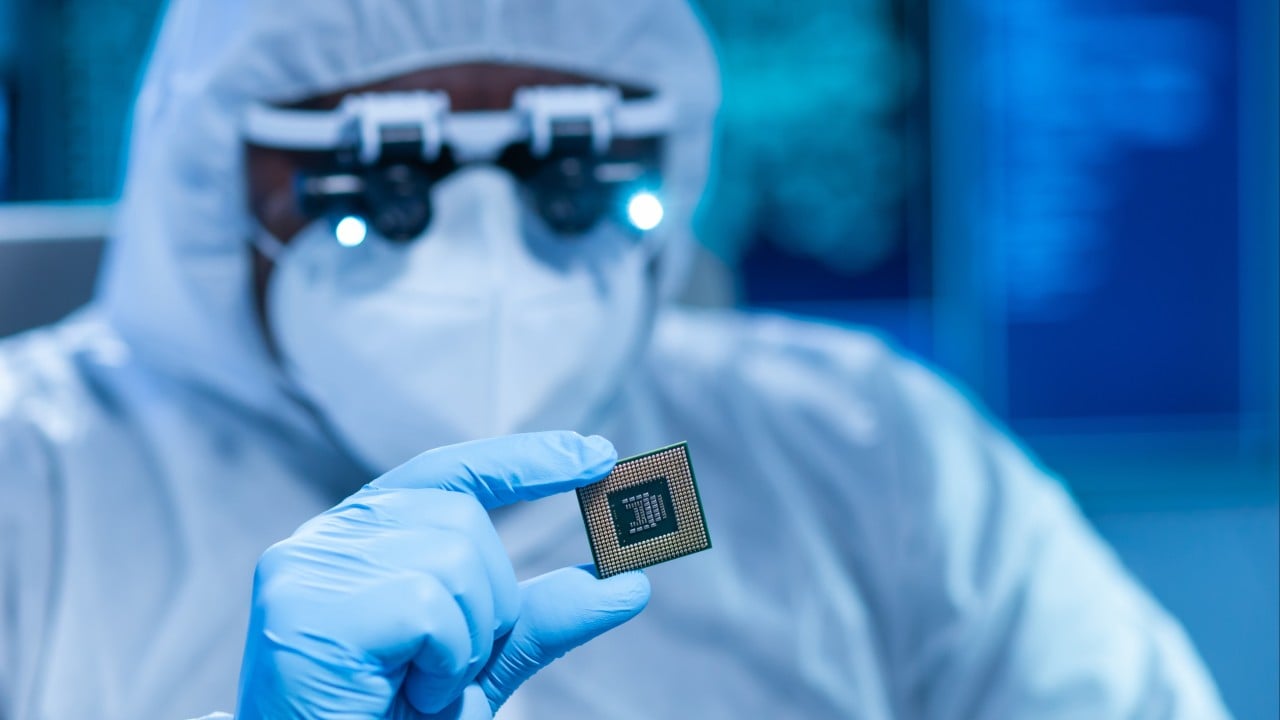
Mapping US chip supply chain: China accounts for far more than it appears, report says
China accounts for about 5 per cent of the equipment and materials directly supplied to the US chip industry when measured by country of manufacture, but its grip on certain rare earths needed for chipmaking is over 90 per cent, according to the Semiconductor Industry Association (SIA). While 95 per cent of the nearly US$27 billion annual spending by American chipmakers on manufacturing equipment and materials was sourced from companies headquartered in the US, Europe, and Japan, that figure...
YOUR NEWS, OUR NETWORK.
Do you have Great News you want to tell the world?
Be it updates about your business or your community, you can make sure that it’s heard by submitting your story to our network reaching hundreds of news sites across 6 verticals.